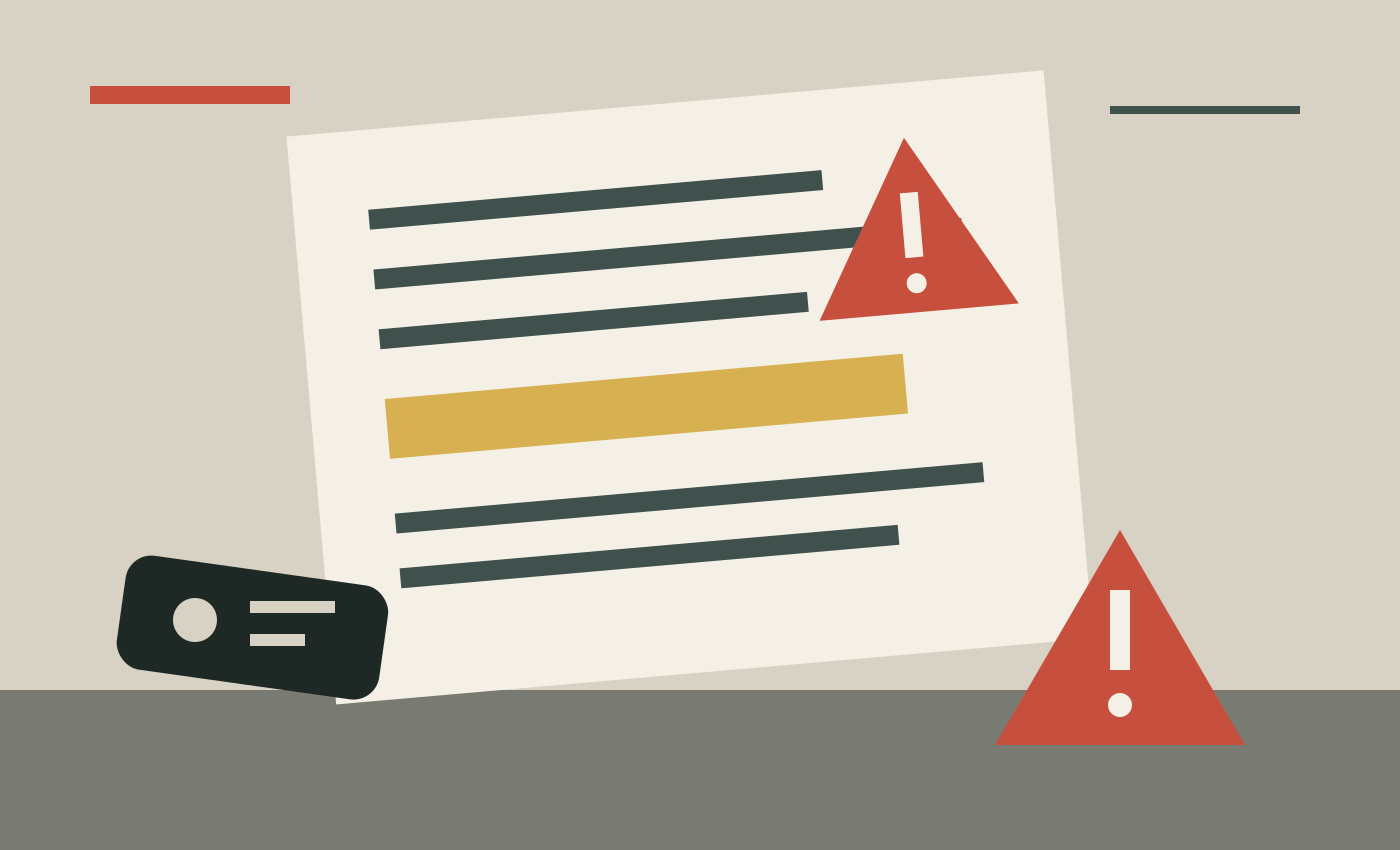
A recall letter identifies the risk, affected vehicle, remedy, and next step. The details tell you how urgently to change your routine.
Key facts
- Safety-recall remedies are generally provided without charge.
- A VIN lookup shows whether a specific vehicle has an unrepaired safety recall.
- Some notices include urgent instructions such as parking outdoors or not driving.
A safety recall means a manufacturer or NHTSA has determined that a vehicle or item of motor-vehicle equipment has a safety-related defect or does not comply with a federal motor vehicle safety standard. The notice is not ordinary marketing mail. It is a set of instructions tied to a specific risk.
Confirm the vehicle
The letter should identify the manufacturer, affected model and model year, and recall number. Use the 17-character vehicle identification number at NHTSA.gov/recalls to confirm whether your specific vehicle has an unrepaired recall.
A model can be involved in several campaigns, and two visually identical vehicles may not share the same recall because of build date, factory, component supplier, or software version. Search by VIN rather than relying only on headlines.
Find the hazard
Read the section describing the defect and the safety consequence. It should explain what may fail and how that failure increases risk. Then look for warning signs: a dashboard message, smell, noise, loss of a function, or other symptom that may occur before the defect creates danger.
Pay special attention to interim instructions. Some recalls tell owners not to drive, not to charge, to park outdoors and away from structures, or to avoid using a seat or feature. Follow those directions exactly and contact the manufacturer or dealer when the instruction is unclear.
Understand the remedy
The notice describes the planned repair, inspection, replacement, or software update. It may state that parts are available or that the manufacturer will send a second letter when the remedy is ready. An incomplete remedy does not make the risk disappear; it means owners should follow interim guidance while waiting.
Ask the dealer how long the work should take, whether parts are on hand, and what transportation support is available. Safety-recall remedies are generally free, though eligibility and older-vehicle issues can require clarification.
Document the repair
Keep the repair order showing the recall number and completed work. Recheck the VIN after the manufacturer’s reporting systems update. If a dealer refuses or cannot perform a recall repair, contact the manufacturer and document the conversation. NHTSA also accepts safety complaints.
For a used-car purchase, run the VIN before signing. An open recall is not automatically a reason to walk away, but the risk, remedy availability, and any urgent instruction belong in the decision.
Sources and Further Reading
Links were checked on the access date shown. Missing or broken links should be reported for editorial review.
- National Highway Traffic Safety Administration — “Vehicle Recalls”Original publication date not stated · Accessed July 27, 2026
Editorial disclosure
This article was prepared from the cited public sources. Torque & Trend did not receive payment for coverage and does not claim first-hand driving experience unless explicitly stated.