Code now shapes acceleration, charging, safety systems, infotainment, service, and what a vehicle can become after delivery.
Key facts
- Software controls many powertrain, braking, charging, cabin, and assistance functions.
- Over-the-air updates can fix or add features but also require disciplined testing and support.
- A software-defined vehicle still depends on capable hardware, sensors, networks, and service processes.
Modern vehicles are networks of computers attached to mechanical systems. Software interprets the accelerator, manages battery temperature, coordinates traction, displays navigation, watches the driver, and decides how assistance features respond. Horsepower still matters. Increasingly, code determines how that horsepower reaches the road.
Calibration creates character
Two vehicles can share an engine, motor, transmission, or platform and feel different because of software calibration. Throttle response, shift timing, regenerative braking, steering assistance, stability control, and thermal management are adjustable behaviors.
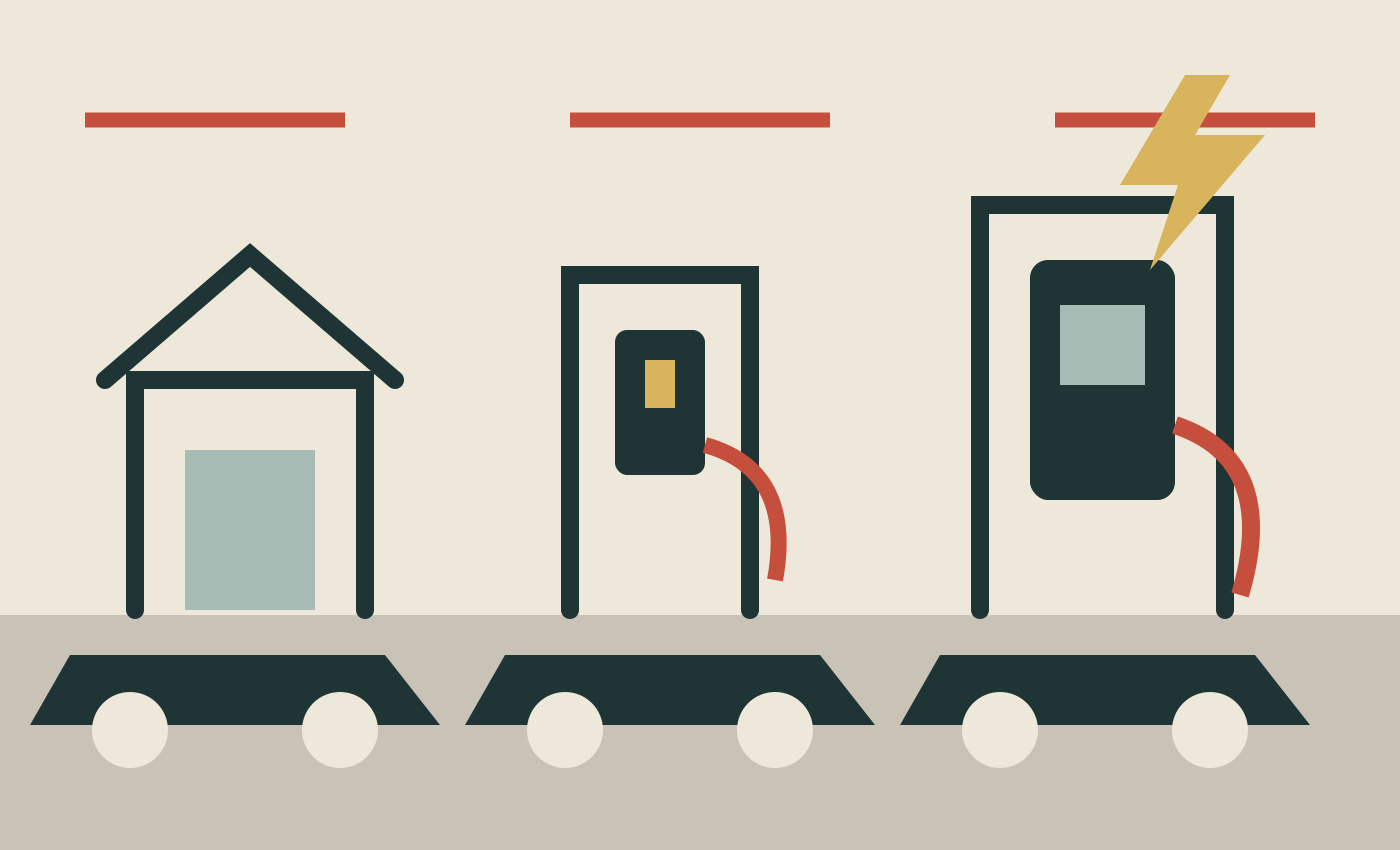
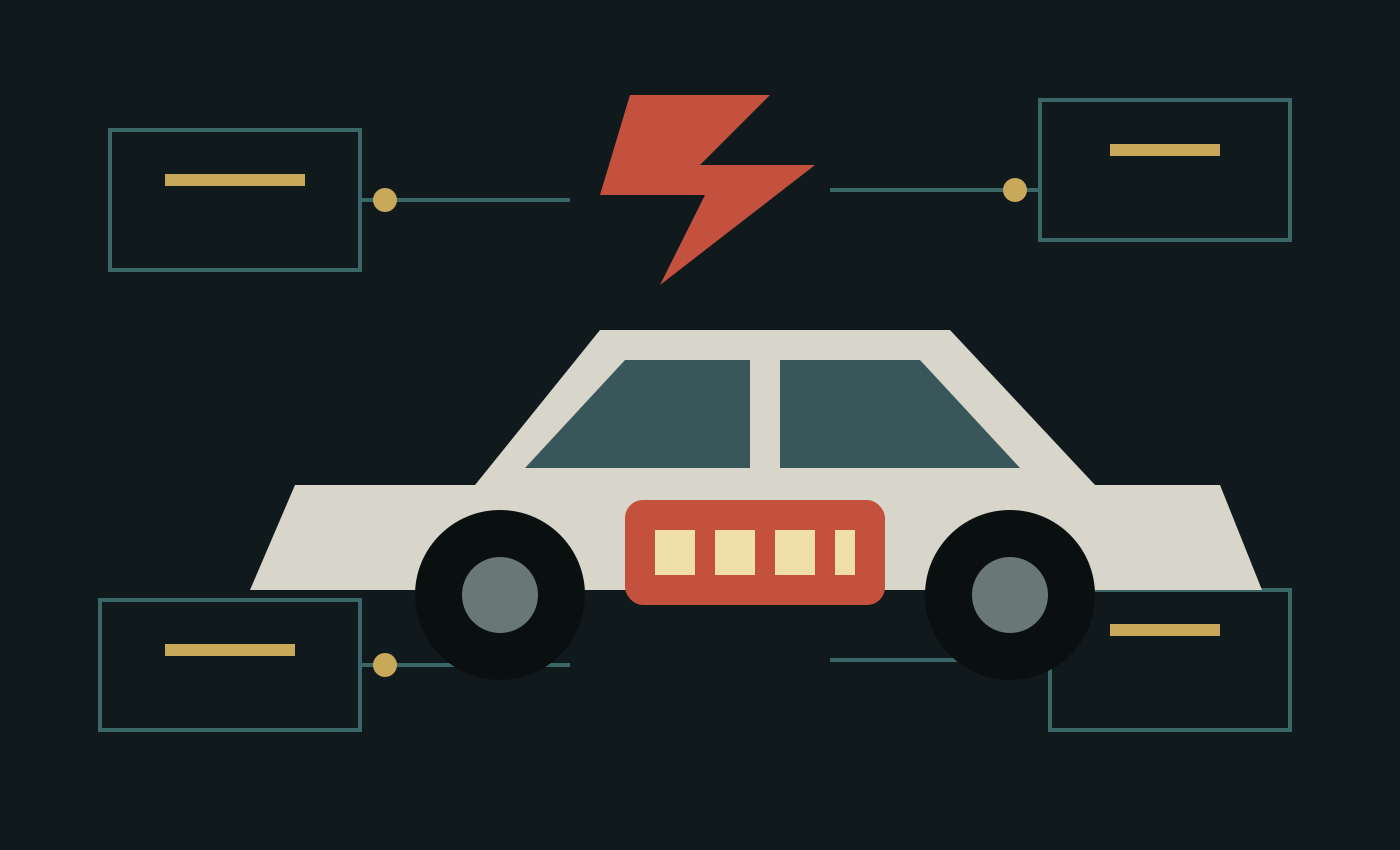
In an EV, software decides how the battery is protected and how quickly the vehicle charges under changing conditions. It estimates range and may precondition the battery before a fast-charging stop. Poor logic can waste capable hardware; strong logic can make ordinary hardware feel coherent.
Updates change the ownership model
Over-the-air updates can repair software without a workshop visit, improve interfaces, and sometimes add functionality. They can also introduce new defects, change familiar controls, or create uncertainty about feature support years later.
Buyers should ask how long a manufacturer commits to security and software support, whether critical updates can be completed at a dealer, and what happens when the connected-services subscription ends. A screen-intensive cabin is only as durable as the software organization behind it.
Centralized computing raises the stakes
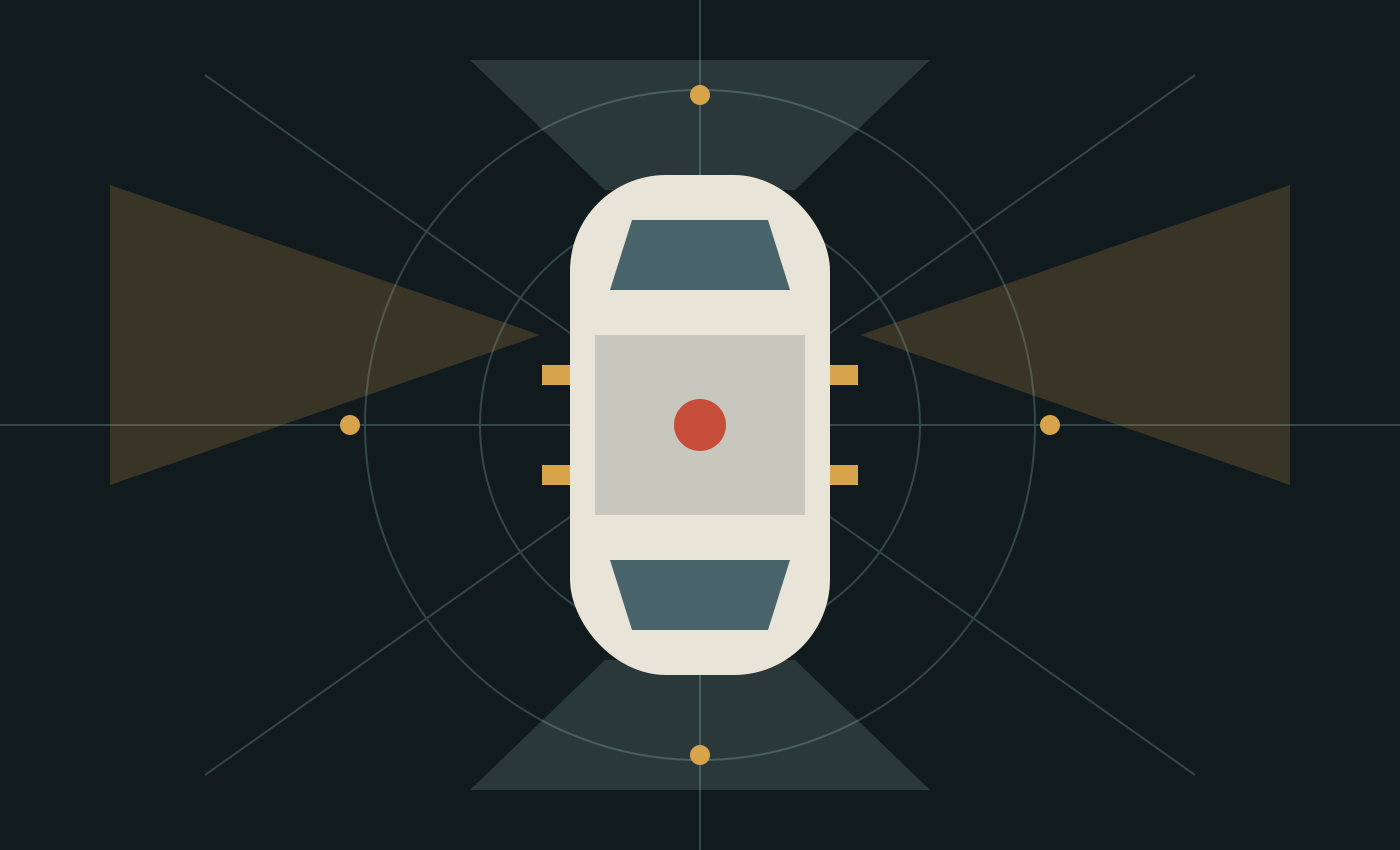
Automakers are moving from many separate electronic control units toward more centralized computing and zonal electrical architectures. The potential benefits include fewer modules, simpler wiring, easier feature development, and more coordinated updates.
The risk is concentration. A fault in a central system can affect multiple functions, and connected vehicles create cybersecurity responsibilities throughout design, production, service, and decommissioning. Software quality is therefore a safety and ownership issue, not only a user-interface issue.
Hardware still sets the ceiling
No update can add a missing sensor, enlarge a battery, strengthen a brake, or provide cooling capacity the vehicle lacks. Marketing around “software-defined” vehicles should not obscure the physical machine.
The useful question is not whether software replaces horsepower. It is whether the automaker can integrate software and hardware, maintain both for the life of the vehicle, and explain meaningful changes to owners. The best code makes the machinery more predictable. The worst code makes basic transportation feel unfinished.
Sources and Further Reading
Links were checked on the access date shown. Missing or broken links should be reported for editorial review.
- National Highway Traffic Safety Administration — “Cybersecurity Best Practices for the Safety of Modern Vehicles”Published September 7, 2022 · Accessed July 27, 2026
Editorial disclosure
This article was prepared from the cited public sources. Torque & Trend did not receive payment for coverage and does not claim first-hand driving experience unless explicitly stated.