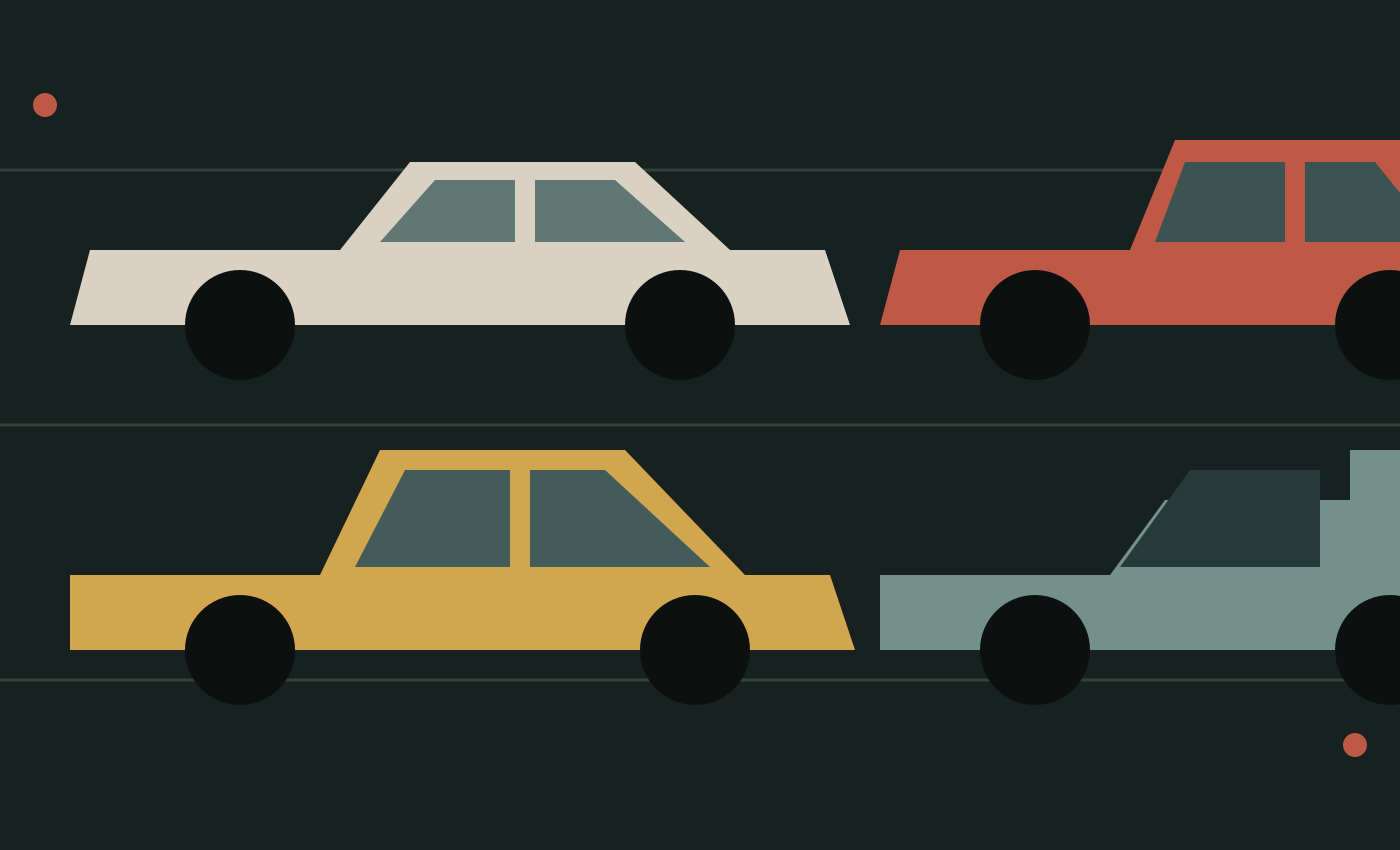
The best shape is the one that fits passengers, cargo, parking, efficiency, and difficult trips without making every ordinary mile harder.
Key facts
- Exterior size does not guarantee interior space; compare dimensions and load-floor shape.
- Higher ride height can improve access but may increase weight and aerodynamic drag.
- Pickup payload and towing limits depend on the exact configuration.
Body style is not a personality test. It is packaging: where people sit, how cargo enters, how much road space the vehicle occupies, and what compromises appear on every trip.
Sedan
A sedan separates the passenger compartment from the trunk. That can reduce cargo noise, improve security for belongings, and support a lighter, more aerodynamic shape than a similarly sized SUV. The trunk opening and fixed rear shelf limit bulky cargo, and the lower seating position may be less convenient for some passengers.
Sedans remain strong choices for commuting and highway travel when ground clearance and maximum cargo height are not priorities.
Hatchback
A hatchback opens the rear glass and cargo panel together, creating a taller load opening and flexible space with the rear seats folded. It often provides much of a small crossover’s utility with a lower roof and center of gravity.
Cargo remains within the passenger compartment, so road noise, climate demands, and security can differ from a sedan. Check whether the load floor is flat and whether a privacy cover is included.
SUV and crossover
Most modern “SUVs” are car-based crossovers. Their higher seating can improve entry, outward visibility, and cargo height. The tradeoffs can include greater mass, aerodynamic drag, tire cost, and a higher load floor.
Do not assume all-wheel drive or generous ground clearance is standard. Third-row seats range from adult-friendly to emergency-only and often consume cargo volume when raised. Bring child seats, mobility equipment, or common cargo to the test fit.
Pickup
A pickup separates an open bed from the cab and can be invaluable for dirty, tall, or heavy loads. It can also be long, difficult to park, inefficient when lightly loaded, and less secure without a bed cover.
Payload and towing are configuration-specific. Cab style, bed length, engine, axle ratio, drivetrain, wheels, and options can change the rating. Read the certification label and manufacturer towing guide for the exact truck.
Choose around the 90 percent
List the trips made every week, then identify the genuinely difficult 10 percent. Renting a larger vehicle twice a year may be cheaper and easier than driving one daily. Measure the garage, parking space, cargo, and child-seat layout. Compare turning circle and visibility, not just overall length.
The right body style handles routine life gracefully and occasional demands safely. More vehicle is not automatically more useful.
Sources and Further Reading
Links were checked on the access date shown. Missing or broken links should be reported for editorial review.
- National Highway Traffic Safety Administration — “New Car Assessment Program”Original publication date not stated · Accessed July 27, 2026
Editorial disclosure
This article was prepared from the cited public sources. Torque & Trend did not receive payment for coverage and does not claim first-hand driving experience unless explicitly stated.