A clean detail can hide expensive problems. Slow the process down and verify the vehicle, paperwork, condition, and total deal.
Key facts
- A vehicle-history report is useful but not a substitute for an independent inspection.
- Check the VIN on the car, title, sale documents, and recall database.
- Get the complete out-the-door price in writing before focusing on monthly payment.
A used car should be treated as a machine with a documented past, not a bargain defined by its monthly payment. The safest buying process verifies identity, ownership, history, condition, and price before money changes hands.
Confirm the vehicle and the seller
Compare the vehicle identification number on the dashboard, door label, title, and sales documents. Mismatches demand an explanation before the transaction continues. Confirm that the person or business selling the car has the legal right to do so and that any lien will be cleared correctly.
Run the VIN through NHTSA’s recall lookup. Open recalls generally require manufacturer remedies, but the availability and timing of a repair can affect the purchase. Ask for service records and look for consistent mileage progression rather than assuming a clean history report captures every repair or incident.
Inspect before the test drive
View the car in daylight and, if possible, when it is dry. Look for mismatched paint, uneven panel gaps, overspray, corrosion, cracked glass, damaged lights, and tires with uneven wear. Check that all four tires match in size and meet the manufacturer’s requirements.
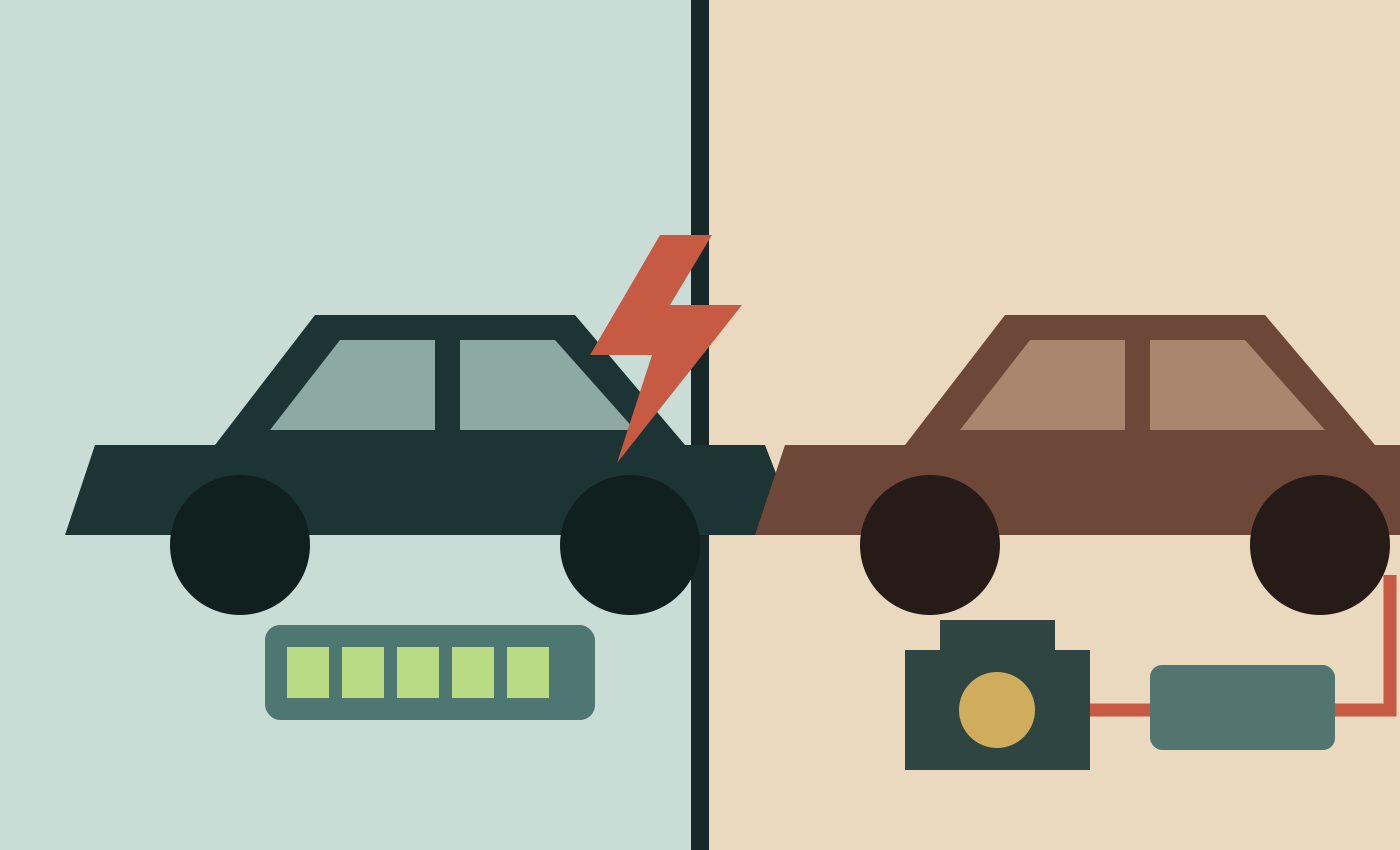
Ask that the engine be cold when you arrive. A cold start can reveal noises, smoke, warning lights, or hard starting that a warmed engine may conceal. On an EV, inspect the charging port and cable, confirm both AC and DC charging equipment where applicable, and request available battery-health information without treating a dashboard range estimate as a diagnostic test.
Drive every system
The test drive should include low-speed turns, braking, rough pavement, highway speed, parking maneuvers, and a restart. Verify climate control, windows, locks, cameras, driver-assistance features, infotainment, charging ports, seat controls, and every key. Listen for wheel-bearing hum, suspension knocks, wind noise, and drivetrain vibration.
No short drive can replace an inspection by an independent mechanic or qualified EV technician. Arrange that inspection before purchase, not after. If a seller refuses a reasonable inspection, the refusal is information.
Read the paperwork
At a dealer, read the FTC Buyers Guide displayed on the vehicle. It states whether the car is sold with a warranty or “as is,” subject to state law. Compare every spoken promise with the written contract. Ask for the out-the-door price including fees, add-ons, taxes, and registration.
Financing deserves the same scrutiny as the car. Compare annual percentage rate, term, total amount financed, and total of payments. A lower monthly payment can conceal a longer and more expensive loan.
The best used-car purchase is not the one completed fastest. It is the one that survives verification without pressure, unexplained gaps, or paperwork surprises.
Sources and Further Reading
Links were checked on the access date shown. Missing or broken links should be reported for editorial review.
- Federal Trade Commission — “Buying a Used Car From a Dealer”Original publication date not stated · Accessed July 27, 2026
- National Highway Traffic Safety Administration — “Recalls”Original publication date not stated · Accessed July 27, 2026
Editorial disclosure
This article was prepared from the cited public sources. Torque & Trend did not receive payment for coverage and does not claim first-hand driving experience unless explicitly stated.